Sales Automation Examples That Actually Work in 2026
Sales automation examples that work in 2026, mapped by funnel stage, with the tasks to automate, the ones to keep human, and where teams go wrong.
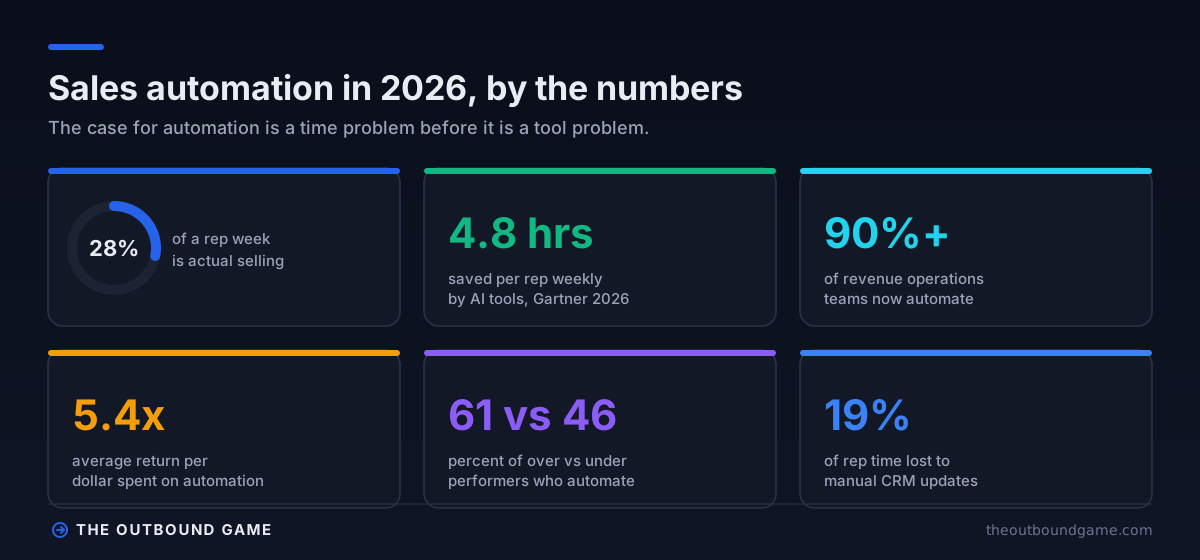
The most useful sales automation examples are not a list of clever tools, they are a map of which repetitive tasks to hand to software so your reps can spend their time on the work that actually closes deals. That distinction matters because the average B2B rep now spends only around twenty-eight percent of the day actually selling, with the rest lost to data entry, tool switching, and admin. Automation exists to win that time back, not to replace the conversation.
Done right, automation is invisible: prospects get timely, relevant messages, reps walk into calendars full of qualified conversations, and the CRM stays clean without anyone babysitting it. Done wrong, it just speeds up the delivery of irrelevant messages and brands the sender as a spammer. The difference is almost never the tool. It is whether you automated a process you had already validated by hand, or automated a broken one and scaled the brokenness.
This guide groups the highest-leverage sales automation examples by funnel stage, then draws the line between what to automate and what to keep human. It builds on the sales automation pillar, points to the best sales automation tools that run these plays, and maps onto the wider outbound sales motion.
Quick verdict: where automation pays off
If you only read one section, read this one.
- Automate the repetitive and mechanical: data entry, CRM logging, lead routing, enrichment, scheduling, and follow-up reminders. This is pure time recovery.
- Augment, do not replace, the human parts: use automation to trigger and tee up outreach, but keep real personalization, discovery, objection handling, and closing with the rep.
- Validate before you automate: only automate a sequence or workflow that already worked manually. Automating a broken process just produces failure faster.
- Protect the inbox: never automate personalization away on cold channels, because generic messages at scale wreck reply rates and deliverability.
The rest of this guide is the stage-by-stage breakdown behind those four rules.
Why sales automation matters in 2026
The case for automation is a time problem before it is a technology problem. Reps lose the majority of the week to administrative work: roughly seven in ten say they spend too much time entering data instead of selling, and teams routinely burn hours hunting for information scattered across disconnected systems.
Good sales automation software attacks that directly. A Gartner survey of sales leaders in early 2026 found AI tools save sellers about 4.8 hours per week, more than ninety percent of revenue operations teams now run automation, and the return lands near five dollars for every dollar spent, with most teams positive inside the first year. The point is not activity volume for its own sake. It is removing the manual work that blocks the one thing that generates pipeline: reps having real conversations with the right accounts at the right time.
Top-of-funnel sales automation examples
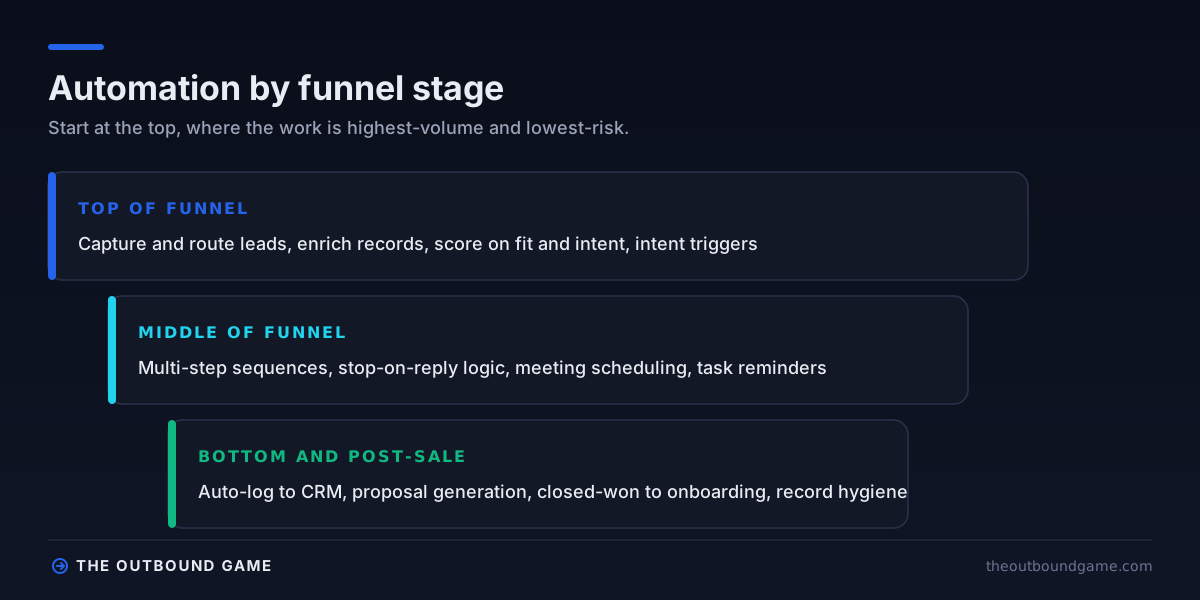
The top of the funnel is where the highest-volume, most mechanical work lives, which makes it the best place to start.
The reliable wins here are lead capture and routing, enrichment, and scoring. Auto-capture inbound leads from forms and signatures, then route each one to the right rep instantly instead of letting them sit. Enrich new records automatically with firmographic and contact data so reps prep faster, the kind of lead generation plumbing that should never be manual. Score leads on fit and activity so the highest-intent ones surface first. Layer in intent-based triggers that fire when a prospect changes jobs, raises a round, or visits your pricing page, so outreach starts from a real signal. Together these plays turn raw b2b prospecting into a steady, scored flow instead of a manual scramble. The data layer that feeds all of this is covered in the data enrichment tools and sales intelligence tools guides.
Middle-of-funnel sales automation examples
The middle of the funnel is about consistent, well-timed follow-up across channels without dropping anyone.
This is where multi-step outreach sequences earn their keep: email, LinkedIn, and call tasks orchestrated as one coordinated cadence rather than three disconnected tools, with branches that react to what the prospect does. Automate the mechanics of the sequence, the sending windows, the task reminders, the stop-on-reply logic, and meeting scheduling so a booked call lands on the calendar without an email tennis match. These are core workflow automation plays, and the channels themselves are detailed in the cold email software, linkedin outreach, and sales engagement guides, with timing handled in the sales cadence guide.
The trap at this stage is automating the message itself. Automate the delivery and the timing, but keep the personalization that earns a reply human, because a generic sequence blasted at scale is exactly what trains spam filters and burns your domain.
Bottom-of-funnel and post-sale examples
Lower in the funnel the automation shifts from outreach to hygiene and handoff, the unglamorous work that keeps the pipeline honest.
Auto-log every email, meeting, call, and stage change to the CRM so the record stays current without rep effort, since the data nobody enters is the data nobody trusts. Trigger proposal and quote generation from deal fields. Route closed-won deals into onboarding automatically so nothing falls between sales and delivery. Keep contact and account records fresh by syncing changes back from email signatures and enrichment. This is the connective tissue between your crm software and the rest of the stack, and the deeper build is covered in the crm automation guide.
What to automate and what to keep human
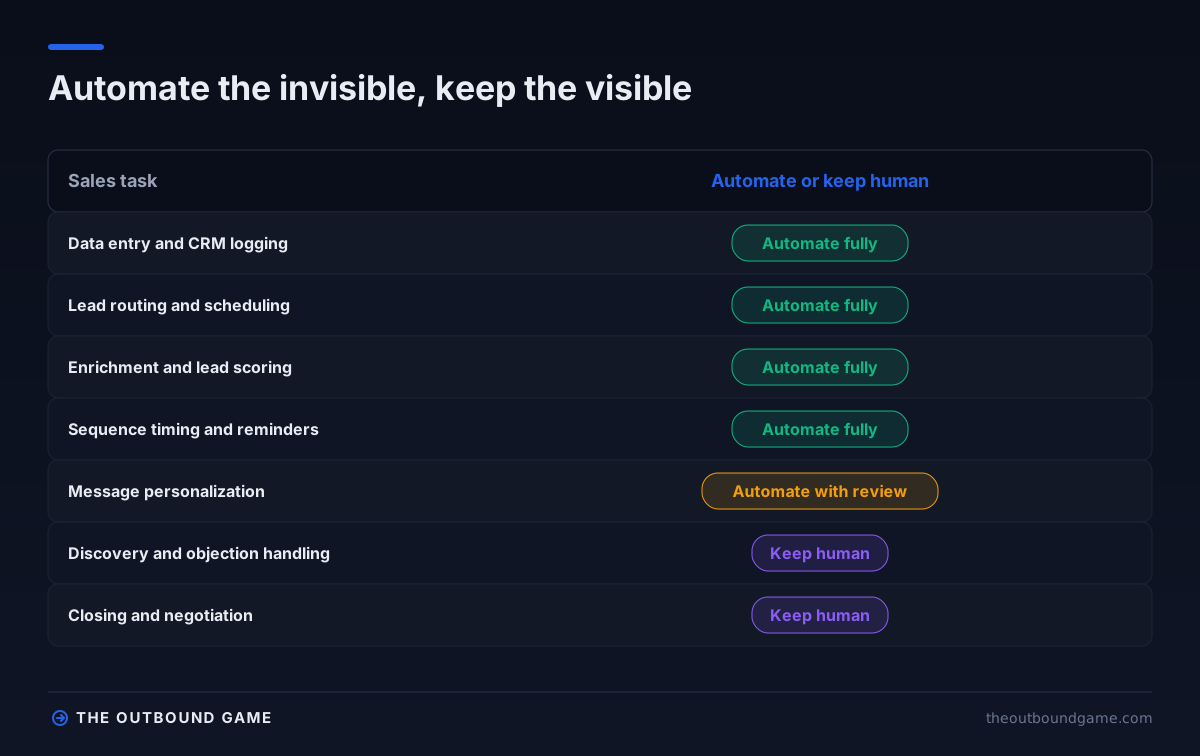
The single rule that separates automation that compounds from automation that backfires: automate the work the prospect never sees, and keep the work they do.
Mechanical, repeatable, and invisible tasks belong to software: capture, routing, enrichment, scoring, logging, scheduling, reminders, and reporting. Judgment, relationship, and persuasion belong to people: the discovery conversation, handling a real objection, reading a buying committee, and the message-level personalization that makes a cold opener land. AI has pushed the line, drafting and suggesting more than before, but the principle holds. Automation that augments a rep multiplies them; automation that replaces the human parts of selling just produces faster mediocrity. You can pressure-test category options and reviews on G2, and frameworks from HubSpot and Salesforce reflect the same augment-not-replace stance.
The stack and the order of operations
Most teams buy tools before they understand their own process, which is the root cause of automation that never pays off. The fix is sequencing.
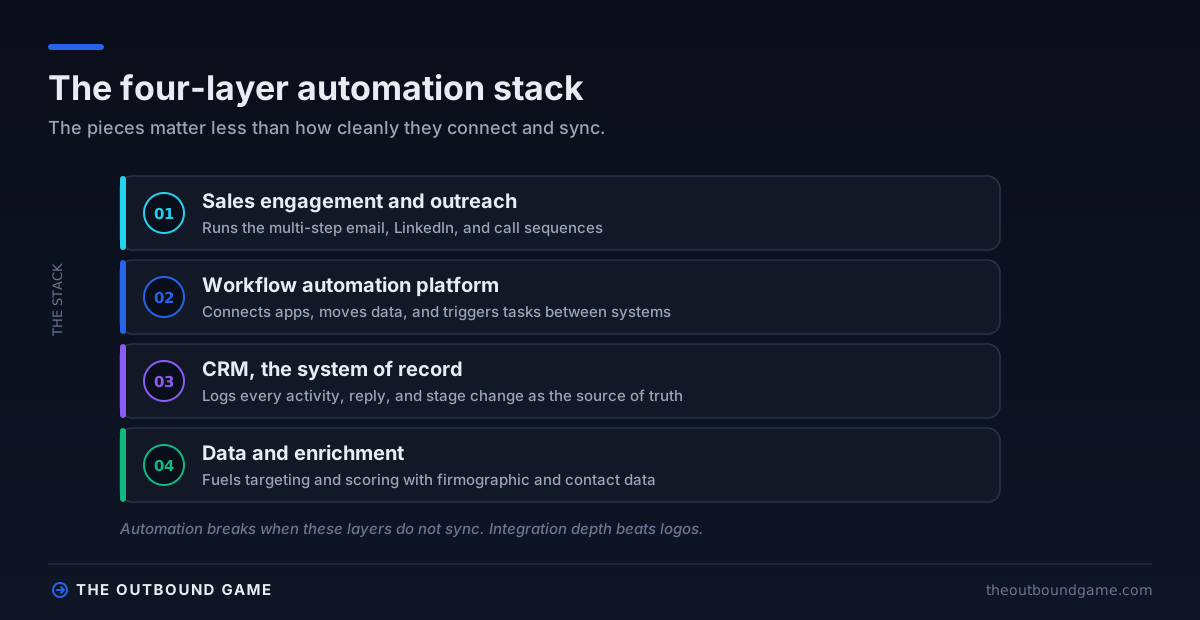
A working setup needs four layers that talk to each other: a CRM as the system of record, a sales engagement or outreach tool for the sequences, a workflow automation platform to connect apps and move data between them, and a data tool for enrichment and scoring. But the order matters more than the logos. Map the manual process first and prove it converts. Pick the one bottleneck that costs the most hours. Automate that single workflow end to end and confirm it logs cleanly. Only then move to the next. Teams that automate one validated workflow at a time build something durable; teams that buy a suite and switch everything on at once usually just automate their existing chaos.
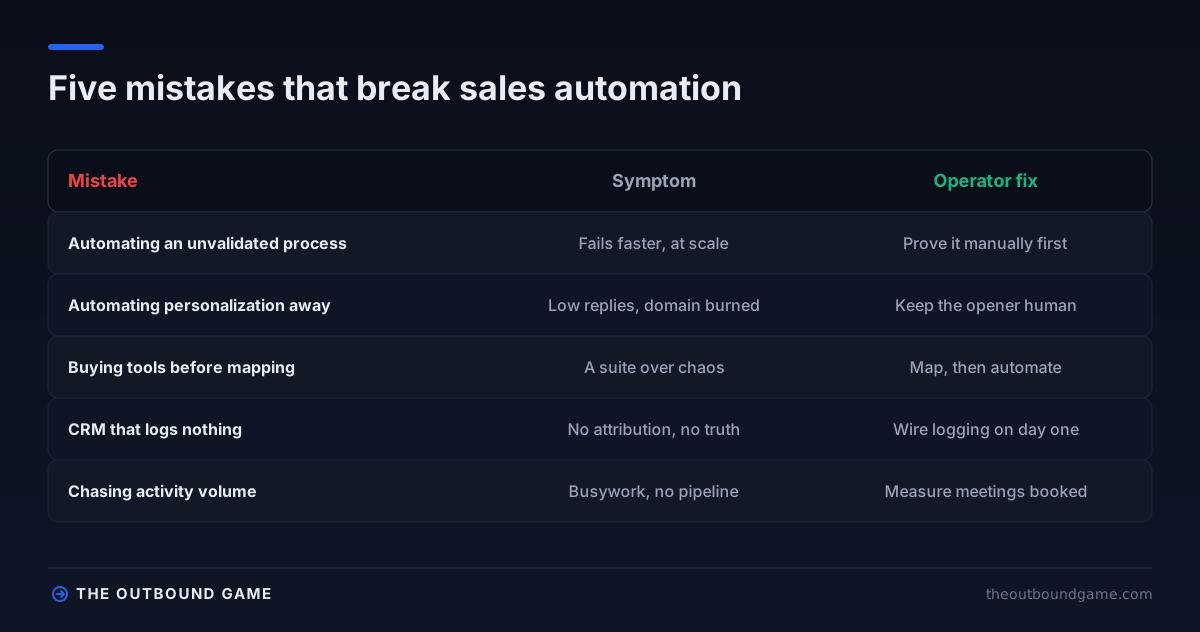
Five mistakes that break sales automation
What we see most often is the same handful of errors, none of which a bigger toolset fixes.
-
Automating an unvalidated process. If a sequence did not convert by hand, automating it just fails faster and at scale. Prove it manually first.
-
Automating personalization away. Generic messages blasted at volume tank reply rates and brand your domain as spam. Keep the opener human on cold channels.
-
Buying tools before mapping the process. A suite layered onto undefined workflows automates the chaos. Map first, then automate the worst bottleneck.
-
Automating into a CRM that logs nothing. If activity and replies do not sync, you have no attribution and no source of truth. Wire logging in from day one.
-
Chasing activity instead of conversations. More automated touches is not the goal. Measure meetings booked and pipeline created, not message volume.
An eight-step framework to roll out automation
Run this order to add automation without scaling your mistakes.
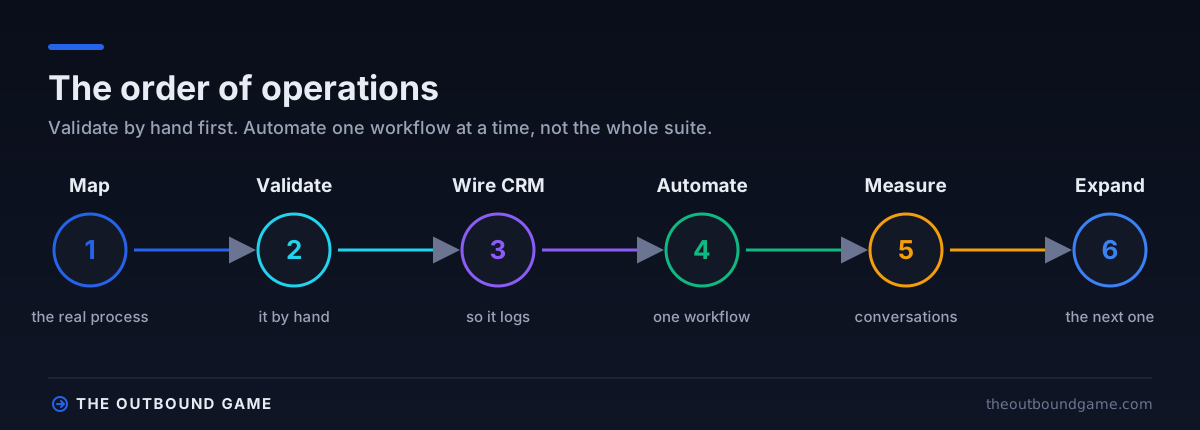
- Map the manual process. Write down how a deal actually moves today before automating any of it.
- Find the costliest bottleneck. Pick the single task burning the most rep hours for the least judgment.
- Validate the play by hand. Confirm the sequence or workflow converts manually before you scale it.
- Wire the system of record. Make sure the CRM logs activity and replies cleanly, or nothing else can be trusted.
- Automate one workflow end to end. Build it fully, test the branches, and confirm it runs without babysitting.
- Keep the human parts human. Leave personalization, discovery, objection handling, and closing with the rep.
- Protect deliverability. On cold channels, cap volume and keep messages relevant so automation does not burn the domain.
- Measure conversations, then expand. Track meetings and pipeline, not activity, and only then automate the next bottleneck.
How this fits the broader stack
Automation is the connective layer under the whole outbound motion. Each piece has a deeper guide.
- The foundation. What sales automation is and where it fits, in the sales automation pillar.
- The tools. The platforms that run these plays, in best sales automation tools.
- The workflows. Building the multi-step automations, in b2b sales workflow automation.
- The data layer. Enrichment and scoring that feed the top of funnel, in data enrichment tools and sales intelligence tools.
- The system of record. Logging and hygiene, in crm software and crm automation.
- The channels. Where sequences run, in cold email software, linkedin outreach, and sales engagement.
- The cadence. How touches are timed, in sales cadence.
- Deliverability. Whether automated outreach is ever seen, in email deliverability.
The map is consistent: automate the repetitive scaffolding, keep the human work human, validate before you scale, and protect the inbox. The tool is only ever as good as the process you pointed it at.
Frequently asked questions
What are some common sales automation examples?
What should you not automate in sales?
Do sales automation tools replace salespeople?
How much time does sales automation actually save?
What tools do you need for sales automation?
How do you start automating a sales process?
Can sales automation hurt email deliverability?
The bottom line
The best sales automation examples are not the flashiest tools, they are the boring, repetitive tasks you can hand to software so reps get their selling time back. Automate capture, routing, enrichment, scoring, logging, scheduling, and the mechanics of sequences. Keep discovery, objection handling, closing, and the personalization that earns a reply firmly human. That single line, automate the invisible and protect the visible, is what separates automation that compounds from automation that backfires.
The order of operations matters more than the logos. Map your real process, validate the play by hand, wire the CRM so it logs, automate one bottleneck at a time, and guard your deliverability the whole way. Do that and automation becomes what it should be: invisible infrastructure that gives your team more real conversations, not a machine for sending more messages nobody answers.
Get the operator playbook in your inbox. The Outbound Game publishes one operator-grade breakdown a week on B2B outbound sales, tactics, tooling, and ops. No fluff, no vendor talking points. Subscribe and get the next one when it ships.